
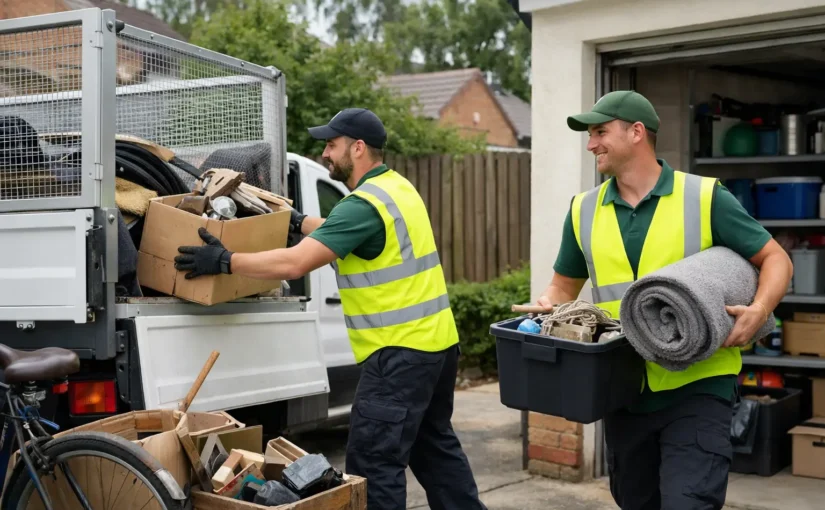
A garage can fill up quietly. One spare chair becomes a stack of boxes, old paint tins sit behind broken tools, and before long there is no room for the car, bikes or the things you actually use. Knowing how to clear garage clutter is less about finding perfect storage and more about making firm decisions, handling waste safely and getting unwanted items removed without turning the job into a weekend-long struggle.
For homeowners and landlords in Muswell Hill, a clear garage can also make a property safer, easier to maintain and more useful. Whether you are preparing for a move, reclaiming storage space or dealing with years of accumulated household rubbish, a practical plan makes the work far more manageable.
Start by deciding what the garage is for
Before moving a single box, decide how you want to use the space when it is clear. Perhaps you need room for a car, secure bike storage, a workbench, seasonal household storage or simply safe access to the boiler and electrical points. This gives every item a simple test: does it support the purpose of the garage?
Without that decision, clutter often returns because everything that is removed gets replaced with more “just in case” items. Be realistic too. A garage is not the right place for damp-sensitive paperwork, treasured furniture or anything you have not used for many years but feel unable to assess in a hurry.
Set aside enough time to finish the sorting stage. A small, lightly cluttered garage may take a morning. A packed single garage with old furniture, DIY leftovers and garden waste may need a full day or professional help. Do not start just before rain if you will need to lay items outside while sorting.
How to clear garage clutter one section at a time
Trying to assess the whole garage at once is where many clear-outs stall. Start at the door and work around the room in small sections. Clear a safe walkway first, then empty one shelf, corner or wall at a time. You will be able to see progress quickly and avoid mixing sorted items back into the pile.
Create clear areas for things to keep, donate or sell, recycle, and dispose of. Items you are keeping should be moved straight into labelled boxes or onto shelving, rather than left on the drive where they can be confused with waste. If an item is broken, incomplete, mouldy, unsafe or unlikely to be used within the next year, it is normally better to let it go.
Sentimental items deserve a separate approach. Keep a small, defined memory box rather than allowing every old school project, toy or inherited object to take up valuable floor space. Photographing a bulky item before disposal can make the decision easier without keeping the object itself.
Separate waste before arranging a collection
A garage often contains more than general household rubbish. Sorting waste into sensible groups helps you understand what can be reused, what can be recycled and what needs specialist handling. It also makes a removal quote more accurate, as the collection team can plan the right vehicle space and disposal route.
Common garage clearance items include old shelving, cupboards, bikes, broken garden furniture, cardboard, timber, tools, boxes, small appliances, mattresses, unwanted furniture and bagged rubbish. Clean metal, cardboard and some electrical items may be suitable for recycling, while usable furniture or equipment may be worth donating locally.
Take extra care with paint, oils, fuel, batteries, chemicals, gas cylinders, fluorescent tubes and electrical equipment. Do not pour liquids down drains, leave them on the pavement or mix them into ordinary rubbish bags. These materials can be hazardous and may need a specific disposal route. If you are unsure what an item is, keep it separate and tell the clearance provider before collection.
The same applies to suspected asbestos materials, such as old insulation boards or corrugated cement sheets. Do not break, bag or move them unnecessarily. Specialist assessment and removal are required, particularly in older garages and sheds.
Make keeping items easier to manage
The best way to prevent a fresh clear-out six months later is to organise only what you genuinely need. Put regularly used items between waist and shoulder height, keep heavy objects low down, and store seasonal items on higher shelves. Clear plastic boxes can be useful, but labels matter more than matching containers.
Avoid storing loose bags on the floor. They collect damp, invite pests and make it easy to forget what is inside. A few sturdy shelves, wall hooks for garden tools and a designated spot for recycling can make a major difference in a compact Muswell Hill garage.
Be careful not to block access to meters, consumer units, water stopcocks or garage doors. Keep a clear route through the room and avoid overloading shelves. If the garage has signs of damp, deal with the cause before storing valuable belongings there. Otherwise, the cost of replacement can outweigh the convenience of extra storage.
Know when a skip is not the easiest answer
A skip can suit some renovation jobs, particularly where waste is produced gradually over several days. However, it also means you must load it yourself, find space for it and possibly arrange a permit if it needs to sit on the road. Certain waste types may not be accepted either.
For a garage full of mixed items, a hands-on clearance service is often simpler. A team can remove bulky furniture, bagged rubbish, old equipment and loose debris from inside the garage, then load it for you. There is no heavy lifting, no need to guess the skip size and no pile sitting outside your property while you wait to fill it.
Same-day garage clearance can be especially useful if you are handing back a rental property, preparing a house for sale or need access restored quickly. Availability depends on the time of year, the size of the load and local collection schedules, so it is sensible to ask early where possible.
Choose a licensed garage clearance company
Never use an unverified collector who offers to take rubbish away cheaply without providing proper details. If waste is fly-tipped after collection, the person who produced it can still face questions. A licensed waste carrier should transport rubbish responsibly and use appropriate recycling and disposal facilities.
When requesting a quotation, describe the garage honestly. Mention access restrictions, stairs, shared driveways, heavy items and any materials that may need special handling. Photos can help a provider assess the volume and give a clearer price before arrival. Ask whether labour, loading and disposal are included, so you know what the quote covers.
Mullarkey’s Clearance provides prompt and professional garage clear-outs across North London, including Muswell Hill. The team can remove unwanted household items, furniture, garden-related waste and general garage rubbish while taking care around your property. Responsible disposal and recycling are central to the service, giving you a practical alternative to hiring a skip and doing the lifting yourself.
Get the garage clear, then keep it that way
Once the unwanted waste has gone, sweep the floor, check for leaks or pest activity, and wipe down shelves before putting anything back. This is also a good opportunity to check stored tools, sporting equipment and garden machinery for damage. Repair or service useful equipment now, rather than returning broken items to storage.
Put a simple rule in place for future purchases: if something enters the garage, it needs a named place to live. Review the space at the end of each season, particularly after DIY projects, garden work or a house move. Small, regular decisions are much easier than another major clear-out.
If the job feels too large, awkward or time-consuming to tackle alone, request a free quotation for garage waste removal. A clear, usable garage is closer than it looks, and the right collection service can take the heavy work off your hands.