
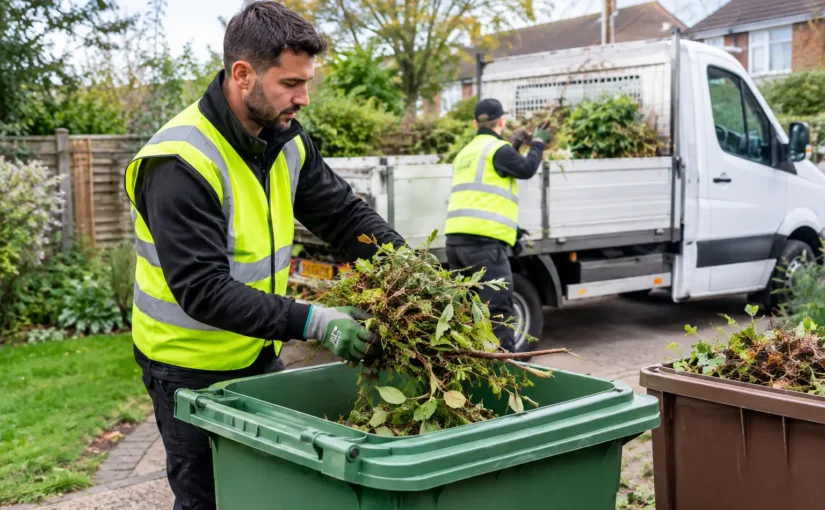
A Saturday pruning session can quickly leave a Barnet garden looking worse before it looks better. One pile holds grass cuttings and hedge trimmings, another contains broken pots, old timber and tangled wire. To separate garden waste Barnet households need a simple plan: keep compostable green material apart from general rubbish, then arrange the right collection route for everything else.
This is more than a tidy-up job. Separating waste makes recycling easier, reduces the risk of rejected collections and stops bulky or awkward items sitting outside for weeks. For larger clear-outs, a prompt collection service can remove the hard work without the cost, permit requirements or lost driveway space that often come with a skip.
What counts as garden waste in Barnet?
Garden waste usually means natural material produced while maintaining an outdoor space. Grass cuttings, leaves, weeds, small branches, plant stems and hedge trimmings belong together. If you use a garden waste bin or compost heap, keeping this material clean and loose makes it far easier to manage.
The key word is natural. A pile of cuttings may look harmless, but it can become unsuitable for green-waste processing when mixed with plastic plant pots, bagged rubbish, rubble or treated timber. Before filling a bin or making a pile for collection, take a few moments to separate these items.
Small amounts of soil may be unavoidable around uprooted plants, but soil, turf and heavy clay should generally be treated separately. They are dense, difficult to handle and can make a green-waste load far heavier than expected. The same applies to stones, paving, bricks and broken concrete from a garden project.
Green material that can be kept together
Fresh cuttings, leaves, flowers, weeds and untreated branches are the straightforward part of a garden clear-out. Larger branches may need cutting down into manageable lengths first. This saves space and makes loading safer, particularly where access is through a narrow side passage or shared entrance.
If you are clearing an overgrown border, shake off excess soil where practical and keep roots, plants and cuttings in one area. Do not worry about making it perfectly neat before arranging a collection. A professional clearance team can do the lifting and loading, but a rough separation helps ensure the material is taken to the correct waste stream.
What should not go in with green waste?
Garden work creates more mixed rubbish than many people expect. Old fencing, decking, sheds, plastic furniture and damaged tools are not green waste, even when they have been sitting outdoors for years. They need separate handling so reusable materials can be recovered and the remainder disposed of responsibly.
Keep these items out of your garden-waste pile: plastic pots and trays, compost bags, artificial grass, garden furniture, hosepipes, metals, fencing, treated wood, soil, rubble, paving slabs and electrical equipment. Pet waste and food waste should also be kept separate unless you are using a suitable home composting system.
There is a practical reason for this. One black bin bag hidden among hedge cuttings can contaminate a load that would otherwise be suitable for composting. Equally, a few paving slabs buried under leaves can create a lifting hazard for anyone collecting the waste. Clear separation protects the people handling it as well as improving recycling outcomes.
When a garden-waste bin is enough
A regular garden-waste service can work well for routine maintenance. It is useful when you produce manageable amounts of grass, leaves and light pruning over several weeks. Store material in the right container, avoid overfilling it and check the current local rules before putting it out, as accepted materials and collection arrangements can change.
It is less useful after a major overhaul. Clearing a neglected garden, removing a rotten shed or cutting back years of dense growth can produce far more waste than one bin can hold. Bagging it gradually may leave your garden unusable, while hiring a skip can be excessive for a one-off job.
That is where a garden clearance collection offers a more convenient option. The team arrives, assesses the load, carries material from the garden and takes it away in one visit. You only use the space and collection capacity you need.
Separate garden waste Barnet properties produce after a clear-out
Barnet has everything from compact terraced gardens and rental flats with shared outdoor areas to larger family gardens with mature hedges, patios and outbuildings. The best approach depends on the site.
For a small courtyard, separate plant cuttings from broken containers and old outdoor furniture. Keep access clear so waste can be removed without scraping walls, blocking hallways or disturbing neighbours. In a larger garden, create two or three obvious areas: green cuttings, timber and bulky mixed items. This is usually enough to speed up collection without turning the job into a day of sorting.
Landlords and managing agents should take extra care after a tenancy ends. Left-behind garden rubbish often includes household waste, DIY debris and furniture as well as weeds and branches. Treating it all as garden waste can lead to delays and incorrect disposal. A mixed garden clearance is normally the more realistic choice.
A practical way to prepare for collection
You do not need specialist equipment to get ready. Start by identifying anything that can stay in the garden, such as healthy plants, usable pots or timber you genuinely plan to reuse. Then put green material in one pile and place non-organic items separately.
Bag loose leaves and light cuttings if this helps keep the area tidy, but do not seal heavy wet waste into too many small bags. It can be difficult to lift and may split when moved. Branches can be bundled if convenient, though they should not be tied with plastic where this can be avoided.
Make a clear route from the garden to the collection point. Move vehicles if access is tight, keep pets indoors during the visit and let the team know about stairs, locked gates or restricted parking. These details help a clearance company provide an accurate quotation and arrive prepared.
If you have hazardous items, such as chemicals, paint, gas bottles or pesticides, mention them before booking. They need specific disposal arrangements and should never be mixed into ordinary garden rubbish.
Why licensed collection matters
It can be tempting to use an informal collector offering a cheap cash price, especially when a garden is full of bags. But if your rubbish is fly-tipped, the responsibility can come back to the person who produced it. Asking whether a company is licensed to carry waste is a sensible safeguard.
Mullarkey’s Clearance provides garden clearance across Barnet and North London with a straightforward, hands-on service. The team can remove bagged green waste, branches, timber, old garden furniture, sheds, soil and mixed outdoor rubbish, separating materials for responsible disposal wherever possible. You do not need to load a skip, make repeated trips or leave waste on the pavement.
Pricing should reflect the amount and type of waste, access to the property and any items requiring special handling. A clear quotation before work starts gives you control over the cost. For urgent jobs, same-day availability may be possible; for planned landscaping or end-of-tenancy work, a scheduled visit can minimise disruption.
Keep the next garden clear-out easier
Once the garden is back under control, make separation part of the routine. Keep one container for plant material and another for plastic pots, broken tools and packaging. Compost suitable cuttings at home if you have the space, and avoid allowing rubble or old timber to disappear beneath a growing pile of leaves.
For the jobs that are already too big, too heavy or too mixed, request a free quotation from a trusted, licensed clearance team. A prompt and professional collection leaves you with a usable garden again, and the reassurance that its waste has been handled properly.