
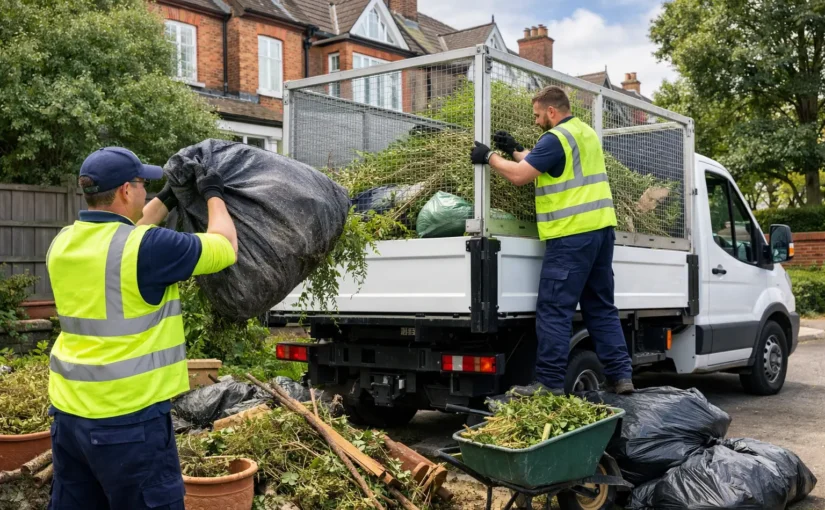
A garden clear-out can get out of hand quickly. One weekend of hedge cutting, pruning and pulling up old plants can leave you with branches, soil-filled pots, broken fencing and bags of green waste blocking the path. Finding the best garden waste disposal option in Muswell Hill is not simply about getting it out of sight. It is about choosing a legal, practical route that suits the amount of waste, protects your property and avoids unnecessary trips to the tip.
For a few bags of clippings, your green bin may be enough. For an overgrown garden, landlord tidy-up or landscaping project, a licensed garden clearance service is often the faster and less stressful answer. The right approach depends on what you have, how much of it there is and whether it can be recycled or composted.
Best Garden Waste Disposal for Muswell Hill Homes
Muswell Hill gardens come in all shapes and sizes, from compact courtyard spaces behind period flats to larger family gardens with mature trees and established borders. Access can also be a consideration. Narrow side passages, steps and limited parking make skip hire inconvenient for many properties, particularly when the waste needs moving from the back garden to the road.
The best disposal method is usually the one that separates genuinely green material from mixed garden rubbish. Grass cuttings, leaves, weeds, small branches and untreated wood can often be composted or processed as green waste. But old garden furniture, damaged sheds, plastic planters, soil, rubble, turf, metal edging and treated timber need different handling.
Putting everything into one pile may feel efficient at first, but it can make recycling harder and increase disposal costs. A quick sort before collection gives you a clearer picture of the job and helps ensure reusable or recyclable materials are kept out of general waste where possible.
Use your garden waste collection for smaller loads
If you maintain your garden regularly and only have manageable amounts of grass, leaves and plant cuttings, a council garden waste collection can be useful. It is best suited to routine upkeep rather than a major clearance. Check what your local service accepts before filling the bin, as thick branches, soil, rubble, plastic and general household rubbish are commonly excluded.
This option works well when you can wait for the scheduled collection and have space to store bags or a bin safely. It is less helpful when a garden is being prepared for sale, a new tenancy, building work or a family event and the waste needs to be removed promptly.
Compost what you can use again
Composting is a sensible choice for suitable organic material, particularly leaves, grass cuttings, soft plant stems and vegetable trimmings. It can reduce the number of bags leaving your home while producing useful compost for beds and borders.
There are limits, though. Large woody branches take time to break down, invasive weeds may spread if they are not managed carefully, and diseased plants should not always go into a home compost heap. Composting is a useful part of responsible garden care, not a solution for every clearance.
Book a licensed garden clearance for larger jobs
When the garden contains bulky, mixed or heavy waste, a collection service removes the hard work as well as the rubbish. A professional team can carry bags, branches, old sheds, garden furniture and other unwanted items from where they are stored, load them into a vehicle and leave the area swept and manageable.
This is particularly useful if you do not have a car, cannot lift heavy materials, or would rather not spend several trips queuing at a recycling centre. It also avoids the disruption of a skip sitting outside the property, which may require permits or take up valuable parking space.
What Counts as Garden Waste and What Needs Separate Disposal?
Pure green waste is usually straightforward: hedge trimmings, weeds, leaves, grass, flowers, small twigs and pruned plants. Larger branches may also be collected, although they are often easier to handle when cut into shorter lengths.
Many garden clearances involve more than green waste. That is where planning makes a real difference. Common items include broken paving slabs, bags of soil, rubble, old fencing, timber sleepers, plant pots, water butts, garden tools, trampolines, barbecues and worn-out patio furniture. These materials do not all belong in the same waste stream.
Soil and rubble are especially heavy. A few bags can weigh far more than expected, so tell your collection company about them when asking for a quote. Similarly, painted or treated timber, electrical garden equipment and chemicals such as weedkiller or paint need to be identified in advance. Honest information helps the collection go smoothly and means the quote reflects the actual load.
Why Fly-Tipping Is Never a Cheap Option
It can be tempting to use an informal collector offering a bargain price, especially after a big garden overhaul. But if that person dumps your rubbish in a lane, woodland area or on the roadside, the waste can be traced back to you. Householders have a duty to take reasonable steps to ensure their waste goes to an authorised carrier.
A licensed waste carrier should be able to confirm that they are registered and explain how waste is handled. Keep any paperwork or receipt from the collection. It is a simple safeguard and evidence that you have disposed of the material responsibly.
Choosing a reputable service also supports better recycling outcomes. Garden material that can be recovered should be directed to the appropriate facility rather than being mixed carelessly with general rubbish. Responsible disposal matters in an area like Muswell Hill, where tidy streets, shared accessways and green spaces are valued by residents.
A Practical Way to Prepare for Garden Clearance
You do not need to bag every leaf or dismantle every item before a professional collection, but a little preparation can save time. Keep waste in one accessible area where possible, and separate green cuttings from furniture, timber, soil and rubble. If a shed, fence or large structure needs dismantling, mention it when requesting your quote so the right labour and time can be allowed.
Make access clear by moving cars where necessary and checking that gates can open fully. If waste is at the bottom of a long garden or there are several flights of steps, say so in advance. Reliable pricing depends on the volume of waste, the type of materials and the effort needed to remove it safely.
Take photographs if you are arranging collection remotely for a rental property or managing a garden on behalf of a landlord. Clear images help a clearance team understand the scale of the work before arrival and reduce the chance of delays on the day.
Why Collection Can Beat Skip Hire
A skip has its place for certain renovation projects, especially where waste is produced gradually over several days. However, garden waste often does not need that level of storage. It can take up a surprising amount of room because branches and shrubs are awkward rather than heavy, and a skip may be oversized for the job.
A hands-on collection is often more convenient for garden clearances. You do not need to load a skip yourself, arrange a road permit in many cases or wait for it to be collected once the work is complete. The waste is removed in one visit, leaving you free to enjoy the garden rather than work around a container on the drive.
There is also less risk of neighbours or passers-by adding their own rubbish to an unattended skip. For homes with restricted access or limited front-garden space, that practical difference can be significant.
Prompt Garden Waste Collection When You Need It
For a garden that needs clearing quickly, Mullarkey’s Clearance provides a prompt and professional alternative to doing it all yourself. The team can remove green waste alongside unwanted garden items, helping homeowners, landlords and property managers deal with overgrown or neglected outdoor spaces without the hassle of multiple tip runs.
A free quotation should be based on the waste you actually have, not a vague estimate. Explain the materials, access and urgency, then arrange a collection time that works for you. Licensed handling, careful loading and responsible disposal give you confidence that the job is being dealt with properly.
A cleared garden is easier to maintain, safer to use and far more inviting. Whether you are cutting back an overgrown hedge or preparing a whole outdoor space for its next chapter, get a clear quote first and choose a disposal service that leaves the work finished, not merely moved elsewhere.