
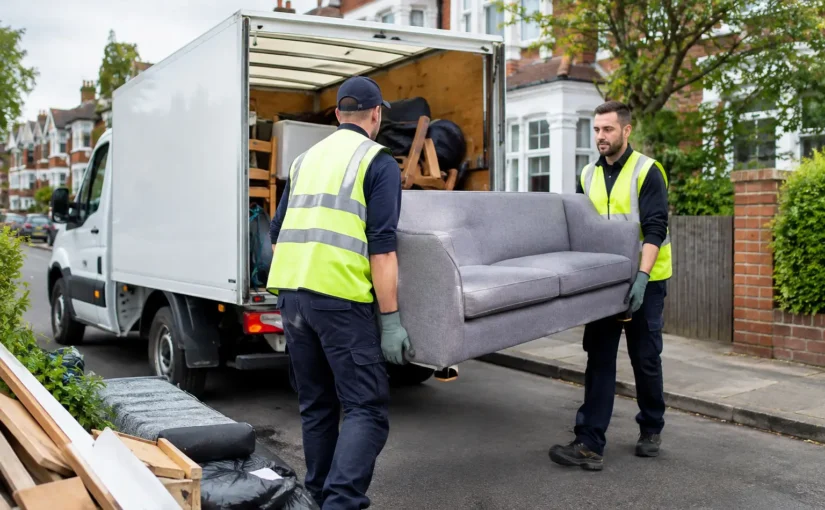
A broken washing machine in a Finchley utility room, an old cooker left after a tenancy, or a fridge that will not fit through the door can quickly become more than a minor nuisance. Finchley appliance recycling gives households, landlords and local businesses a practical way to clear unwanted electrical items without hiring a skip, carrying heavy equipment downstairs or risking an illegal fly-tip.
For appliances, the right disposal route matters. Many contain reusable metals, plastics and electrical components, while others need specialist handling because of gases, oils or batteries. A professional collection takes the hard work off your hands and helps ensure that items are passed on for recycling or responsible disposal.
Why appliances cannot go in ordinary rubbish
Large domestic appliances are classed as waste electrical and electronic equipment. That means they should not be placed in household wheelie bins, left beside communal bins or put out on the pavement in the hope that someone will take them. Aside from creating an obstruction, abandoned appliances can lead to enforcement action and may expose you to problems if your waste is traced back to you.
White goods are also awkward to manage alone. Washing machines, tumble dryers and cookers are heavy, often difficult to move through narrow hallways, and can damage walls, flooring and stairwells if handled carelessly. Flats around Finchley Central, family homes in N3 and N12, and commercial premises all have different access arrangements. A hands-on collection service can assess the job, bring the right labour and remove the item from where it is stored.
Recycling has a clear practical benefit too. Appliances contain valuable materials such as steel, aluminium, copper and certain plastics. Sending an item through an appropriate recycling route gives those materials the best chance of being recovered rather than unnecessarily sent to landfill.
What Finchley appliance recycling can include
The service is suitable for single items as well as larger clear-outs. Common collections include washing machines, dishwashers, tumble dryers, electric cookers, ovens, hobs, fridges, freezers and microwave ovens. Smaller electricals such as kettles, toasters, televisions, computers, printers and vacuum cleaners can often be removed at the same time as part of a wider clearance.
It is worth mentioning every item when requesting a quote. A fridge freezer needs different handling from a standard cooker, and a bulky American-style fridge may require additional labour or planning. If an appliance is still connected to gas, water or electricity, it should be safely disconnected by a suitably qualified person before collection. Removal teams can take the appliance away, but they should not be asked to carry out specialist disconnection work.
For landlords and managing agents, combining appliance removal with unwanted furniture, bagged rubbish and tenancy-clearance waste is usually more efficient than arranging several separate visits. The same applies to small businesses replacing staff-room equipment or clearing old office electricals.
Fridges and freezers need particular care
Fridges and freezers are among the most common items left behind after kitchen upgrades and moves, but they should never be treated like general rubbish. Older units may contain refrigerant gases and insulating materials that require controlled treatment. This is why a licensed waste carrier and proper downstream recycling arrangements are essential.
Before collection, empty the appliance, remove loose shelves if practical and defrost it where possible. Wipe up any water to protect floors and make the move safer. Do not attempt to cut cables, dismantle the back of the unit or release anything from its cooling system. These jobs are not worth the risk.
If access is tight, let the collection company know in advance. Details such as basement steps, a lift that is out of service, a rear alleyway or limited parking near the property help the team plan a prompt and professional collection. Clear information also supports an accurate price from the outset.
A simpler alternative to skip hire
Skip hire can make sense for a large renovation with a steady stream of suitable waste. It is less convenient when the job is one fridge, two appliances and a few bags of clutter. You may need a permit if the skip sits on the road, and you are still responsible for lifting everything into it. Electrical goods and fridges can also have restrictions depending on the provider.
With appliance collection, the team loads the items for you. There is no skip sitting outside your home, no need to organise heavy lifting and no need to guess whether every item is accepted. This is particularly useful for residents in flats, properties with shared drives and busy Finchley streets where space is limited.
The cost depends on the type and number of appliances, access, parking and whether other waste is being collected. The cheapest-looking option is not always the best value if it leaves you to move a heavy appliance, arrange a permit or deal with items a skip company will not take. Ask for a clear quotation based on the actual work required.
Choose a licensed collector, not a quick fix
Anyone can offer to take an appliance away. That does not mean it will be handled legally. If your waste is fly-tipped by an unlicensed operator, you could still face questions because it originated from your property. Responsible disposal begins with choosing a company that is authorised to carry waste and can provide the appropriate paperwork when required.
A reliable provider should be straightforward about what it can collect, explain any access or appliance-specific charges before the job, and take care when moving items through your property. You should not have to drag a cooker to the kerb or leave a washing machine exposed outside overnight.
Mullarkey’s Clearance provides a convenient collection option for customers who want unwanted appliances removed without the usual disruption. The focus is on punctual collection, careful loading, honest pricing and responsible recycling routes wherever possible. Whether you are clearing one faulty dishwasher or preparing an entire property for new tenants, the team can help keep the job manageable.
Preparing for your collection
A little preparation makes appliance removal quicker and safer. Ensure there is a clear route from the appliance to the exit, moving loose mats, boxes and breakable items out of the way. Keep children and pets away from the route while the item is being carried.
For washing machines and dishwashers, make sure the water supply has been disconnected and any remaining water has drained away. For cookers, confirm that electricity or gas connections have been dealt with safely. If you are unsure, ask an electrician, plumber or Gas Safe registered engineer before booking the collection.
You do not need to clean an old appliance to showroom standard. Simply empty it of food, dishes, laundry and personal belongings. If there are several items to remove, take a quick inventory or photographs before asking for a quote. This helps avoid surprises and allows the collection team to allocate sufficient space and labour.
Finchley appliance recycling for landlords and businesses
Appliance removal is often time-sensitive for landlords. A broken fridge or cooker can delay cleaning, repairs and viewings between tenancies. Rather than waiting for a council collection slot or asking contractors to move the item, a scheduled or same-day clearance can help get the property ready for its next stage.
Small businesses face similar pressures. Cafes, offices, salons and workshops may need old microwaves, refrigeration units or electrical equipment removed with minimal interruption. Collection times can be arranged around access needs, and combining electrical waste with general commercial rubbish may reduce the number of jobs to coordinate.
For both homes and businesses, the key is to act before appliances begin blocking hallways, storage areas or fire exits. Requesting a free quotation early gives you a clear plan, a price based on your collection and a responsible route for the items you no longer need.
A broken appliance does not need to sit in the garden, corridor or spare room for weeks. With the right collection arranged, you can clear the space, protect your property and know the waste has been handled with care.