
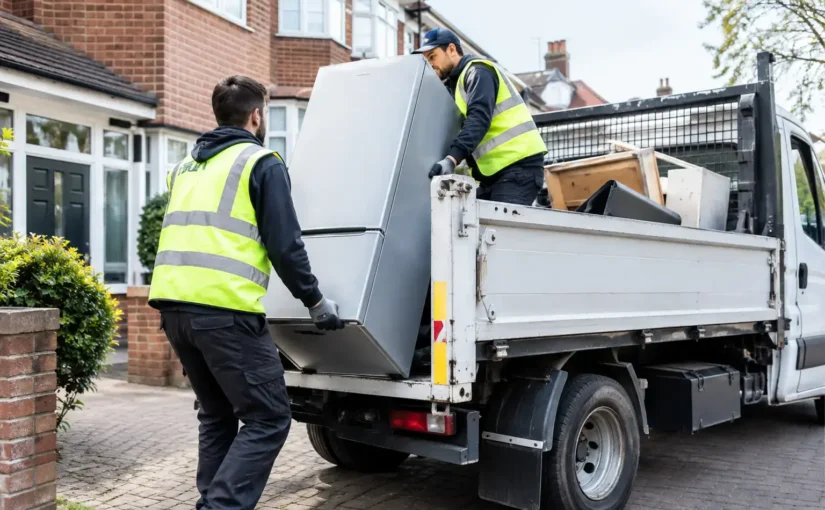
A broken washing machine in a narrow N14 kitchen, an old fridge left in a communal hallway, or a cooker that has outlived its last tenancy can quickly become more than an inconvenience. Removing appliances Southgate safely means dealing with heavy loads, awkward access, electrical connections and waste rules properly – without damaging your property or leaving an item where it causes a problem.
For homeowners, landlords, managing agents and local businesses, professional collection is often the simpler alternative to hiring a van, lifting appliances downstairs or waiting for a council collection slot. The right team can take the item from where it stands, load it safely and send it on for responsible disposal.
Why appliances need more care than ordinary rubbish
Large appliances are not just bulky household waste. Many contain materials that need specific treatment, including metal, glass, wiring, oils, batteries or refrigerant gases. Fridges and freezers are a clear example: they should never be broken up or abandoned because their cooling systems require specialist handling.
Weight is another issue. A washing machine or tumble dryer can be difficult to grip and surprisingly heavy, particularly when there is residual water inside. Trying to manoeuvre one through a tight flat entrance, down a staircase or over a garden step can lead to damaged walls, cracked paving and avoidable injuries.
There is also the question of responsibility. If you pay someone to collect waste, you have a duty to take reasonable steps to make sure it is passed to a legitimate carrier. Choosing a licensed rubbish removal company helps protect you from the risk of fly-tipping and gives you confidence that the appliance will be handled through the proper waste stream.
Removing appliances in Southgate safely starts before collection
A little preparation makes collection quicker and protects everyone involved. First, empty the appliance completely. Take food from fridges and freezers, remove washing from machines and clear drawers, shelves or loose accessories where possible. Defrost fridges and freezers in advance, allowing enough time for ice to melt and water to drain away.
If a washing machine, dishwasher or fridge has been in use, check that it has been disconnected from electricity and water supplies. Washing machines and dishwashers should have their water connections turned off, with hoses drained if practical. This reduces the chance of leaks on carpets, hallways or stairs.
Cookers, hobs and gas appliances need extra caution. Do not attempt to disconnect a gas appliance yourself unless you are suitably qualified. A registered gas engineer should isolate and disconnect it before a waste collection team arrives. For built-in appliances, make sure any fixing screws, cabinet panels or worktop connections have been dealt with by someone who knows how they are fitted.
It is helpful to let the collection company know about access before booking. Southgate has a mix of houses, maisonettes and flats, and a collection from a ground-floor garage is very different from a heavy fridge on an upper floor with no lift. Details such as narrow stairs, permit parking, gated access and shared corridors allow the team to plan the job safely and provide an accurate quotation.
What can be collected?
Most domestic and commercial appliances can be removed as part of a dedicated clearance or alongside other unwanted items. This commonly includes:
- Fridges, freezers, fridge-freezers and wine coolers
- Washing machines, tumble dryers, dishwashers and electric cookers
- Microwaves, kettles, toasters and small kitchen appliances
- Televisions, monitors, computers and other electronic equipment
- Commercial kitchen equipment, subject to its size, condition and access
The collection approach depends on the item. A small microwave may be straightforward to remove with other household rubbish, while a large American-style fridge, range cooker or commercial appliance may need more space, more handling time and a tailored collection plan. Clear information upfront avoids surprises on the day.
Why roadside dumping is never the answer
Leaving an appliance outside with the hope that someone will take it is risky. It can obstruct a pavement, create a hazard for neighbours and attract further fly-tipping. In communal blocks, appliances left in corridors or near bin stores can also create access and fire-safety concerns.
An appliance sitting outdoors can quickly deteriorate too. Rain can expose electrical parts, doors can become dangerous around children, and a once-recyclable item may be harder to process if it is damaged or contaminated. If an old appliance needs to go, arranging prompt collection is safer for your household and better for the local area.
The practical alternative to skip hire
Skip hire can suit larger renovation projects with a clear place to position a skip, but it is not always the best answer for a single appliance or a small number of bulky items. You may need a permit if the skip must sit on the road, and you still have to do the lifting yourself.
A man-and-van clearance service is more practical when access is limited or time matters. The team carries the appliance out, loads it into the vehicle and clears the space straight away. This is especially useful for landlords preparing a Southgate property between tenants, residents replacing white goods, and businesses clearing a staff kitchen or storage room.
Mullarkey’s Clearance provides prompt, professional appliance removal across North London, with same-day availability where schedules allow. The aim is straightforward: take away the physical work, keep disruption to a minimum and deal with the waste responsibly.
Responsible appliance disposal and recycling
Appliances should not simply be treated as general rubbish. Electrical and electronic items are usually assessed for appropriate recycling and recovery routes. Metals can often be separated and recycled, while components that need specialist treatment are handled accordingly.
The best outcome depends on the appliance’s condition. A working item may be suitable for reuse through an appropriate route, while an irreparable machine will normally be dismantled and processed for materials recovery. Refrigeration appliances require particular care because of the gases and insulating materials they may contain.
No removal company can promise that every part of every appliance will be recycled. Contamination, damage and the type of item all matter. What a responsible licensed carrier can do is ensure the item is moved through legitimate disposal channels rather than being dumped illegally or sent to an unsuitable destination.
Choosing a reliable appliance removal company
Price matters, but it should not be the only deciding factor. Very cheap, vague quotes can lead to poor service, added charges or concerns about where the waste ends up. Ask for a clear quote based on the appliance type, quantity, access and any additional rubbish you would like removed at the same time.
A dependable collector should be able to explain what is included, arrange a convenient time slot and handle your property with care. For larger items, the team should use safe lifting methods and protect access routes as needed. It is also sensible to check that the company is licensed to carry waste.
Combining work can be good value. If you are replacing a washing machine, clearing a garage or sorting a rental property, it may be more efficient to remove old furniture, boxes, electrical items and general rubbish in one visit. You regain the space immediately and avoid arranging several separate collections.
Common questions about appliance collection
Do I need to take the appliance outside?
Not usually. A professional clearance team can collect from inside your home, flat, office or garage, provided the appliance is safely disconnected and there is clear access. Tell the team in advance if stairs, tight turns or restricted parking are involved.
Can a fridge or freezer be collected?
Yes. Fridges and freezers can be collected, but they need responsible processing because of their refrigerants and other components. Defrosting and emptying the unit before collection makes the job safer and cleaner.
Can you remove appliances with other rubbish?
Yes, in many cases. Combining appliances with furniture, bagged rubbish, garden waste or office clear-out items can be more convenient than booking separate collections. The quotation will reflect the total volume, weight and labour required.
How quickly can collection be arranged?
This depends on availability, the size of the job and access arrangements. Same-day collection may be possible for urgent jobs, while booked slots are useful when coordinating deliveries, tenant move-outs or renovation work.
An unwanted appliance does not need to take up your kitchen, garage or hallway for another week. Request a free quotation with the item details and access information, and arrange a collection that leaves your Southgate property clear, safe and ready for what comes next.